
1932-D Washington Quarter
Introducing the 1932-D Washington Quarter
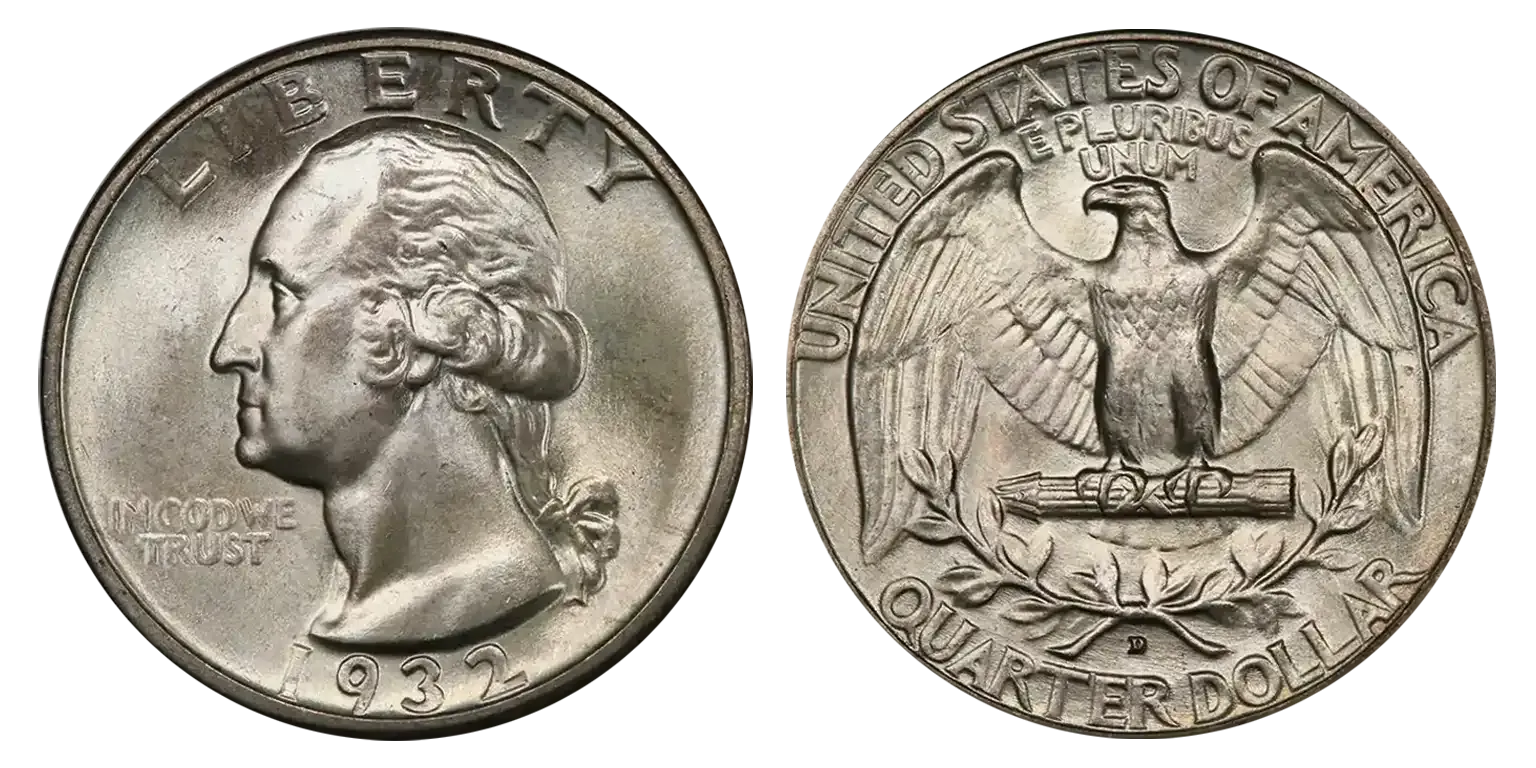
The 1932-D Washington Quarter holds a special place among numismatic enthusiasts due to its historical significance and limited mintage. Struck in Denver, this coin marks the inaugural year of the Washington Quarter series. Made from 90% silver and 10% copper, the quarter measures 24.3 mm in diameter and weighs 6.25 grams. Collectors prize the 1932-D not just for its distinctive mint mark but also for its rarity. The coin had an incredibly low mintage of just 436,800.
Who Is On The Quarter Value
The value of the 1932-D Washington Quarter depends on several factors, including condition, mint mark, and the presence of any notable errors. Please note that these values are approximate retail ranges and actual prices may vary based on grading service, auction results, and current market demand.
| Grade Condition | Average Value (USD) |
|---|---|
| Circulated | $100 – $250 |
| Uncirculated (MS60–MS66) | $1,000 – $10,000 |
| High-Grade Uncirculated (MS67+) | $50,000+ |
| Proof – Clad | Not applicable |
| Proof – Silver | Not applicable |
| Error Coins | Varies; Some errors can reach up to $15,000 |
Factors That Influence the Value
Mint Mark and Mintage: The 1932-D Washington Quarter, minted in Denver, is particularly scarce with a mintage of only 436,800. Its low production numbers make it one of the key dates for the series, considerably elevating its value compared to more common issues.
Condition and Grade: In numismatics, the Sheldon Scale is used to determine a coin’s grade from 1 (Poor) to 70 (Perfect Mint State). As with most coins, higher-grade specimens of the 1932-D Washington Quarter are much more valuable, with significant premiums for coins graded above MS67.
Metal Composition: This quarter is composed of 90% silver and 10% copper. The intrinsic silver content contributes to its base value, though collector demand due to rarity and historical significance often exceeds its metal worth.
Errors and Varieties: Verified mint errors, such as double strikes or die breaks, can fetch higher prices. Collectors seek these anomalies, often willing to pay a premium for well-documented specimens. The value of such error coins depends heavily on the nature and severity of the error, as well as the coin’s overall condition and grade.
Image of the 1932-D Washington Quarter (Alt: Close-up of the 1932-D Washington Quarter’s obverse and reverse.)
Rarity and Errors of the 1932-D Washington Quarter
Overview
The 1932-D Washington Quarter is a highly sought-after coin by numismatists, due both to its historical significance as the inaugural year for the Washington Quarter series and its scarce mintage. Known for its rarity, particularly the Denver mint-marked coins, this edition not only fascinates collectors but has also seen a number of intriguing errors that enhance its desirability and market value.
Notable Errors
1. Double Die Obverse
This error results from a misalignment when the coin was struck, causing the design features to appear doubled. Notably visible on the lettering and Washington’s profile, double dies are highly prized, ranging from $2,000 to $5,000+ in value. These errors are considered Rare due to their infrequent occurrence and demand among collectors.
2. Filled Mint Mark
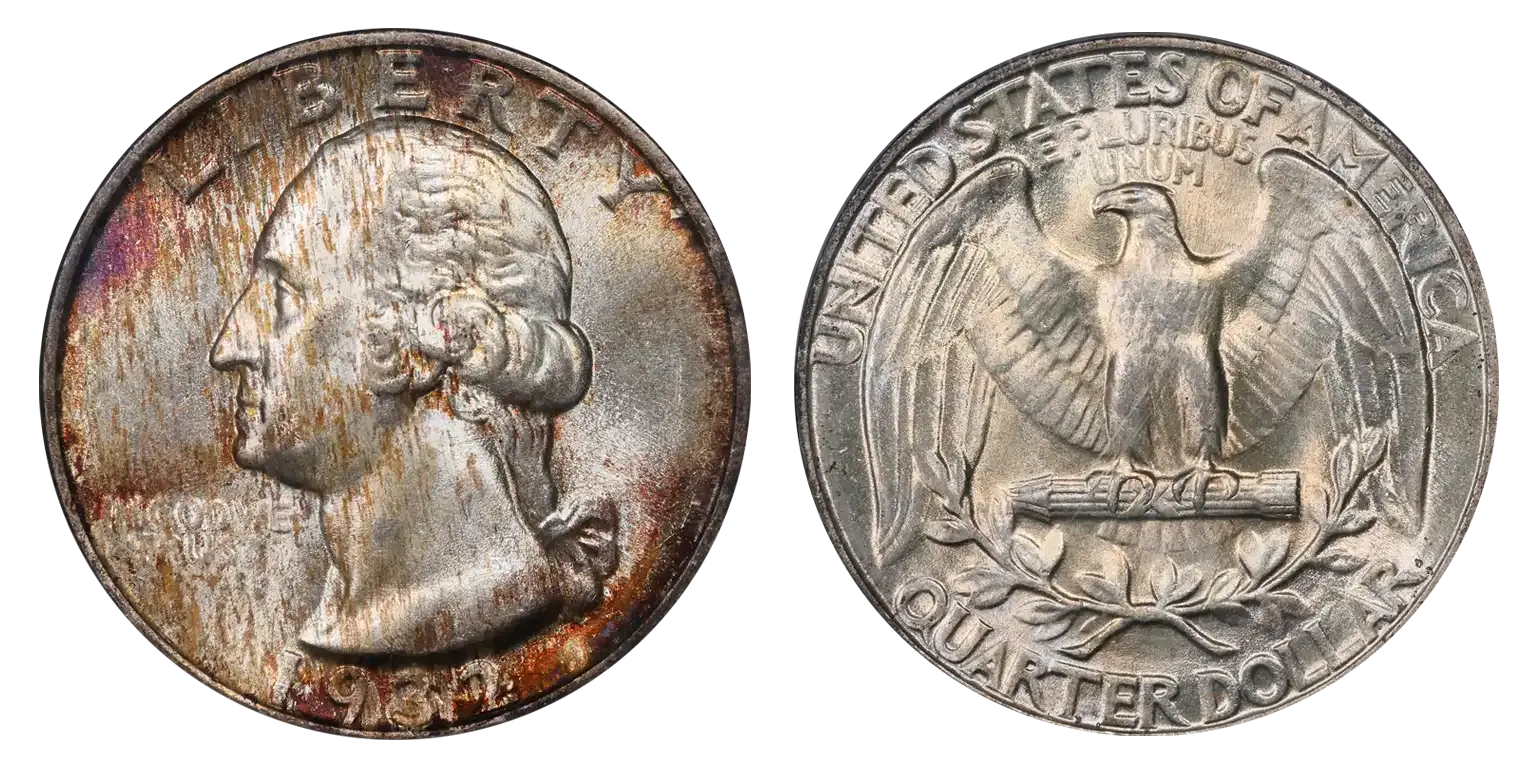
Occasionally, the “D” mint mark can be seen as filled or partially obstructed due to debris or damage during the minting process. Such coins, while more subtle than other errors, are valued between $350 and $1,000+, classified as Uncommon.
3. Clipped Planchet
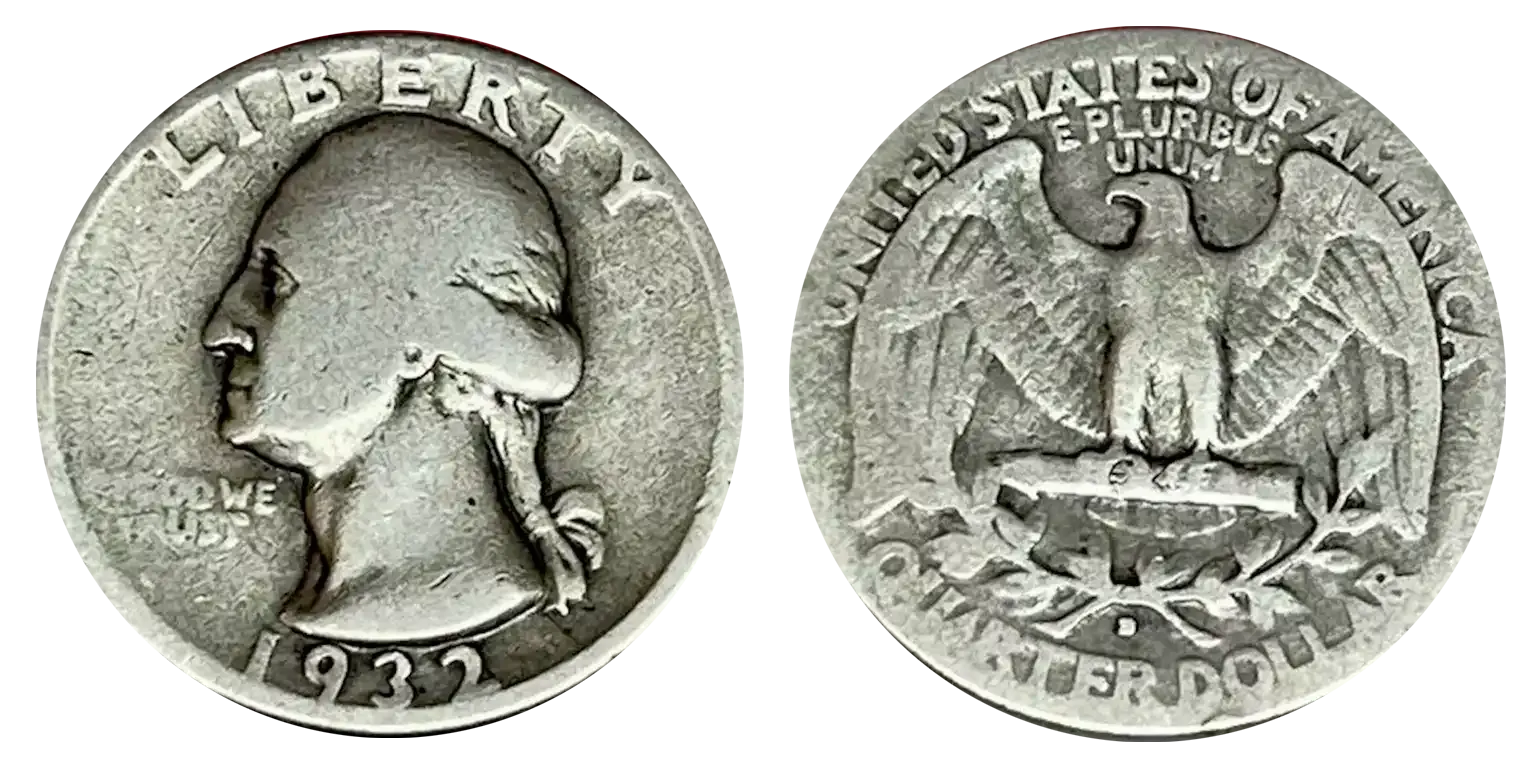
This error occurs when a portion of the planchet sheet is missing before the blank is cut, resulting in a coin with a noticeable clipped edge. The error imparts historical interest and can increase the coin’s worth to $1,500—$3,000+. These coins are often considered Very Rare.
Price Impact Summary
Minor Errors
Lesser errors such as small planchet defects or inconspicuous die errors may see modest increases in value, yet still appeal to error-focused collectors.
Major Errors
Dramatic errors like the Double Die Obverse significantly boost the quarter’s value, attracting attention from advanced collectors and specialists.
Condition Impact
Higher Mint State grades drastically increase the premium of erroneous coins, as these are rarer yet to be discovered in unworn condition.
Authentication
Securing third-party verification from esteemed services such as PCGS or NGC is essential in authenticating these errors, providing confidence and enhancing marketability for prospective buyers.
Mint Marks & Mintage
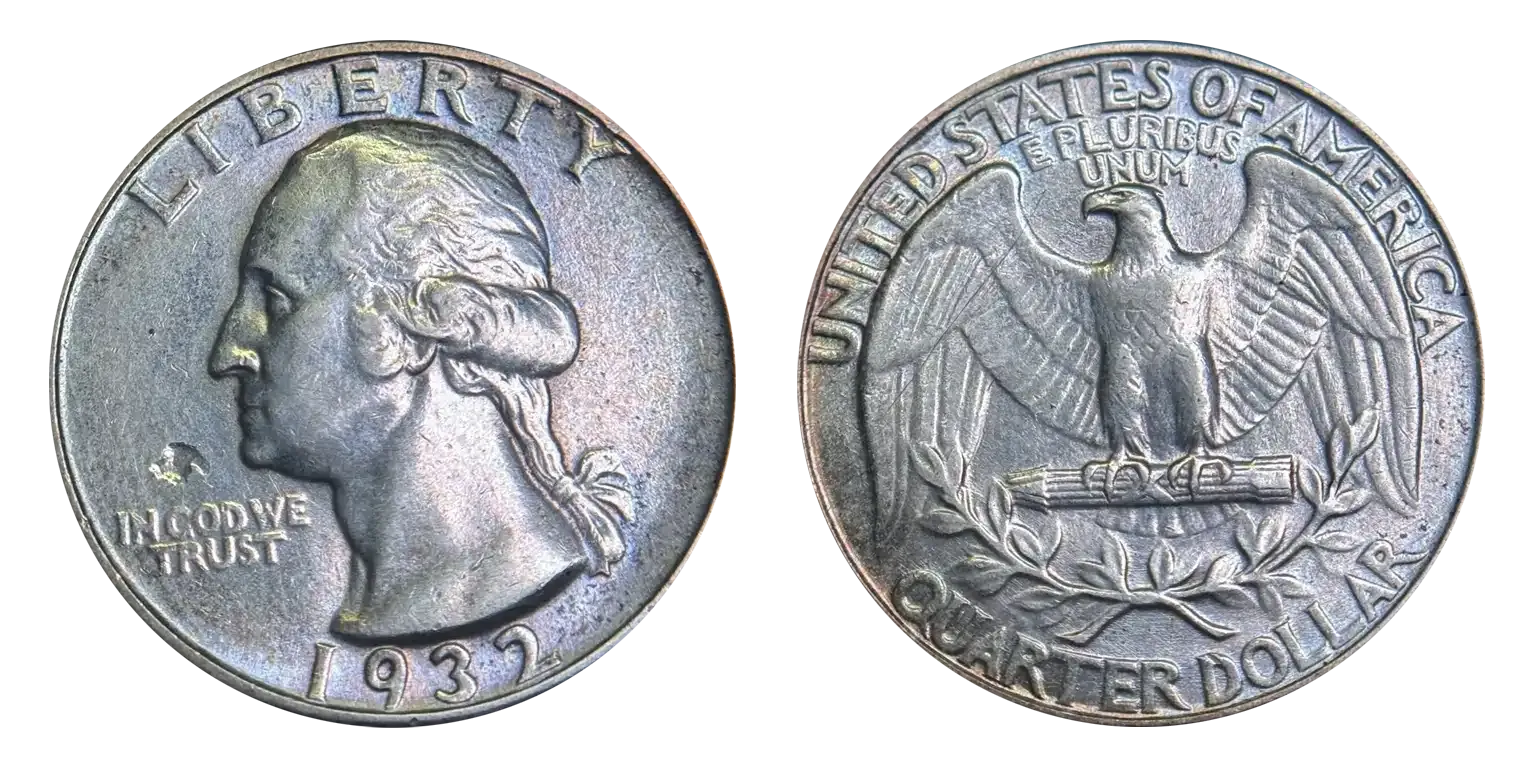
The 1932-D Washington Quarter is a notable coin struck at the Denver Mint, distinguished by its “D” mint mark. This particular quarter is revered among collectors due to its relatively low mintage, which contributes to its scarcity and value. For the 1932-D quarter, only 436,800 pieces were produced, marking it as one of the rarer issues in the Washington quarter series.
Mint Mark Locations
The mint mark for the 1932-D is located on the reverse side, just below the wreath and above the “R” in “QUARTER DOLLAR.” This location is consistent with other non-philatelic Washington quarters produced during the period.
Mintage Numbers
Here is a table of the mintage figures, which illustrates the relative scarcity of the 1932-D Washington Quarter compared to its Philadelphia and San Francisco counterparts:
| Mint Location | Mintage |
|---|---|
| Philadelphia | 5,404,000 |
| Denver | 436,800 |
| San Francisco | 408,000 |
Scarcity and Collector Interest
The low mintage from Denver not only makes the 1932-D Washington Quarter highly desirable but also sparks interest due to its historical context as part of the inaugural year of the Washington quarter. Its collector appeal is further enhanced as it coincides with the bicentennial of George Washington’s birth, adding a layer of historical significance to the coin. Collectors particularly seek out high-grade examples, as well as pieces with enhanced eye appeal, factoring significantly into valuation.
Who Is On The Quarter Facts and Trivia
Design Details
Obverse: The 1932-D Washington Quarter features the familiar profile of George Washington, facing left, with finely detailed hair and a dignified expression. Designed by sculptor John Flanagan, this obverse has become iconic due to its longevity from 1932 to 1998.
Reverse: The reverse displays a striking eagle, with outstretched wings, perched on a bundle of arrows above two olive branches. The eagle design reflects strength and peace, elements core to American symbolism.
Inscriptions: “LIBERTY,” “IN GOD WE TRUST,” “QUARTER DOLLAR,” and the mint year “1932.”
Release Information
Release Date: The Washington Quarter series debuted in 1932.
Series Context: Introduced to honor the 200th anniversary of George Washington’s birth, this coin began a significant departure from previous Liberty figures.
Historical Significance: The Washington Quarter is culturally noteworthy for marking a shift in the U.S. Mint’s direction towards using portraits of historical figures, a practice that continues today.
Quick Facts
- The 1932 release was intended as a one-year commemorative; however, public approval led it to become a full-time issue.
- Collectors highly regard the Denver (D) and San Francisco (S) mint issues of 1932 due to their low mintages, making them key dates in the series.
- John Flanagan’s design for the quarter was originally selected in a competition intended for a medal, showing the flexibility of artists working with the U.S. Mint.
Collecting the 1932-D Washington Quarter
When it comes to collecting the 1932-D Washington Quarter, enthusiasts may find it both rewarding and challenging due to its historical significance and rarity. Below, we’ve outlined key steps to guide collectors through the process of adding this iconic coin to their collection.
Research and Identify Start by immersing yourself in the rich history of the 1932-D Washington Quarter. Understand its significance as the inaugural year of the Washington Quarter series. Use resources, such as numismatic books and online forums, to learn about key identifiers and variations, such as its unique mint mark.
Verify Authenticity With counterfeits prevalent in high-value coins, it’s crucial to purchase from reputable dealers or verified auction platforms. Consider using professional grading services such as PCGS or NGC to certify authenticity. These services offer detailed assessments and enhance the coin’s trustworthiness.
Assess Condition The condition of the coin significantly impacts its value. Familiarize yourself with the Sheldon Scale, a numerical grading scale ranging from 1 (Poor) to 70 (Mint State). Look for copies graded as MS63 or higher for the best combination of aesthetic appeal and investment potential.
Set a Budget Be mindful of costs, as 1932-D Washington Quarters can command high prices, especially in Mint State grades. Determine a budget based on current market rates and your collection goals. Be sure to factor in any grading or transaction fees.
Track Auction Results Stay updated on recent sale prices by monitoring auction results from platforms like Heritage Auctions or Stack’s Bowers. This information can assist in making informed purchasing decisions and understanding the coin’s market dynamics.
Utilize Technological Tools Enhance your collecting journey with the Coin ID Scanner App, available for iOS and for Android. This app helps verify coins and provides insights on value, enabling you to make precise assessments on-the-go.
Join a Community Engage with fellow collectors by joining numismatic clubs or online communities. These platforms offer support and knowledge sharing, providing a network for acquiring and trading coins and keeping up to date with industry trends.
By following these steps, collectors can increase their chances of successfully acquiring a genuine and valuable 1932-D Washington Quarter, enriching their numismatic endeavors.
Frequently Asked Questions About the 1932-D Washington Quarter
What makes the 1932-D Washington Quarter valuable?
The 1932-D Washington Quarter is highly valued due to its low mintage of just 436,800 coins, making it a key date for collectors. Its historic significance as the first year of the Washington Quarter series and its scarcity in high grades further enhance its desirability.
How can I determine the value of a 1932-D Washington Quarter?
To determine the value of a 1932-D Washington Quarter, evaluate its condition, look for any unique errors or strikes, and consider its market demand. Checking professional grading services and current auction prices can provide additional insight into its worth.
Are there any notable errors on the 1932-D Washington Quarter?
While most 1932-D Washington Quarters are standard, some may exhibit mint-related errors, such as double die or die cracks, which can increase their value. Examining your coin closely or consulting with a coin expert can help identify such features.
Is the 1932-D Washington Quarter made of silver?
Yes, the 1932-D Washington Quarter is composed of 90% silver and 10% copper. This composition was standard for quarters minted before 1965, adding to the coin’s collectible and intrinsic value.
How can I distinguish between a 1932-D and 1932-S Washington Quarter?
To distinguish a 1932-D from a 1932-S Washington Quarter, locate the mint mark on the reverse side of the coin. The ‘D’ mark is for Denver, while the ‘S’ indicates San Francisco. Each mark has a different rarity and market value.
Why is the 1932-D Washington Quarter significant for collectors?
The 1932-D Washington Quarter holds significance as it marks the inaugural issue of the Washington quarter series. Its limited mintage and historic context, along with its role as a pivotal coin in the series, make it highly sought after by collectors.
What factors affect the 1932-D Washington Quarter's price?
Several factors impact the price of a 1932-D Washington Quarter, including its condition, rarity, presence of any errors, and overall demand among collectors. Market trends and fluctuations in silver prices can also play a role.
How should I store and protect my 1932-D Washington Quarter?
To protect your 1932-D Washington Quarter, store it in a climate-controlled environment using a protective holder or slab to prevent scratches and environmental damage. Avoid excessive handling and consider professional grading to preserve and authenticate its value.
Can 1932-D Washington Quarters be authenticated?
Yes, 1932-D Washington Quarters can be authenticated through professional grading services like PCGS or NGC. Authentication ensures the coin’s legitimacy and often includes a detailed assessment of its grade, which impacts its market value.
Where can I sell my 1932-D Washington Quarter?
You can sell your 1932-D Washington Quarter through various channels such as online auction sites, coin dealers, or numismatic forums. Ensuring proper grading and certification may help increase its attractiveness and final selling price.