
1976-S Bicentennial Silver Quarter
1976-S Bicentennial Silver Quarter Introduction
The 1976-S Bicentennial Silver Quarter is a unique piece of American numismatic history, celebrating the 200th anniversary of the United States. Part of a special series commemorating the nation’s bicentennial, these quarters feature distinctive designs and were struck in both copper-nickel clad and 40% silver compositions. Minted solely in San Francisco, these coins offer collectors a tangible link to the spirit of 1776.
| Specification | Details |
|---|---|
| Denomination | Quarter Dollar (25 cents) |
| Mint Mark | S (San Francisco) |
| Composition | 40% Silver, 60% Copper |
| Weight | 5.75 grams |
| Diameter | 24.3 mm |
| Edge | Reeded |
| Mintage | 11,000,000 |
Celebrating a foundational milestone in American history, the 1976-S Bicentennial Silver Quarter not only commemorates the past but also serves as a cherished addition to any numismatic collection, appreciated by both novice and seasoned collectors for its historical significance and aesthetic appeal.
Who Is On The Quarter Value
Values for the 1976-S Bicentennial Silver Quarter vary based on several factors, including condition, market demand, and certified grading. It’s important to note that these values represent approximate retail ranges and can fluctuate over time.
| Condition | Average Value (USD) |
|---|---|
| Circulated | $1 – $2 |
| Uncirculated (MS60–MS66) | $4 – $10 |
| High-Grade Uncirculated (MS67+) | $25 – $40 |
| Proof – Clad | $5 – $8 |
| Proof – Silver | $8 – $15 |
| Error Coins | $50 – $200+ |
Factors That Influence the Value
Mint Mark and Mintage
The 1976-S Bicentennial Silver Quarter bears the “S” mint mark, indicating it was struck in San Francisco. These quarters were produced in both proof and uncirculated conditions, with the silver composition being less common than clad varieties, adding to their collectibility.
Condition and Grade
Collectors often refer to the Sheldon Scale, which ranges from 1 (Poor) to 70 (Perfect), to assess a coin’s condition. Higher graded coins, especially in Mint State (MS) conditions, command higher premiums.
Metal Composition
Unlike standard quarters, the 1976-S Bicentennial version was issued in a 40% silver composition, making it more appealing to collectors interested in precious metals as well as historical coinage.
Errors and Varieties
Verified mint errors can significantly enhance a quarter’s value. These may include die chips, doubled dies, or missing design elements, which are highly sought after by collectors. Prices for these fascinating pieces can far exceed standard valuations, depending on their rarity and visual impact.
Rarity and Errors of the 1976-S Bicentennial Silver Quarter
The 1976-S Bicentennial Silver Quarter is a beloved piece among numismatists, both for its historical significance and its collectible allure. While the quarter itself is relatively common, certain errors and varieties can make these coins truly special. These mistakes add a layer of intrigue and can substantially increase the coin’s value and desirability.
Known Errors
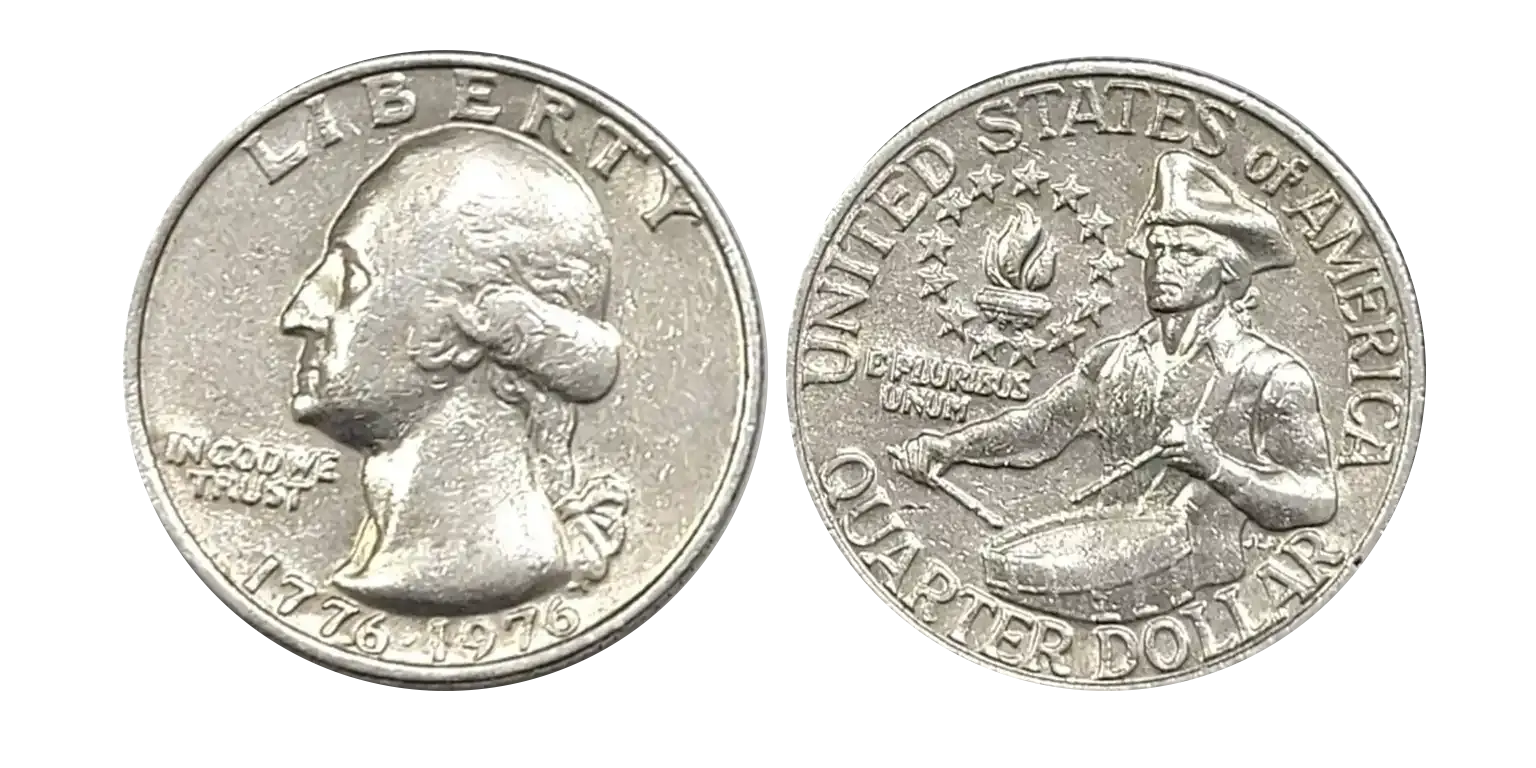
- Double Die Obverse
- Description: This error arises when the die used to strike the coin exhibits noticeable doubling of elements such as the date or lettering on the obverse side. This effect is sought after by collectors due to its visual prominence.
- Estimated Value: $150 – $300+
- Rarity Level: Rare
- Clipped Planchet
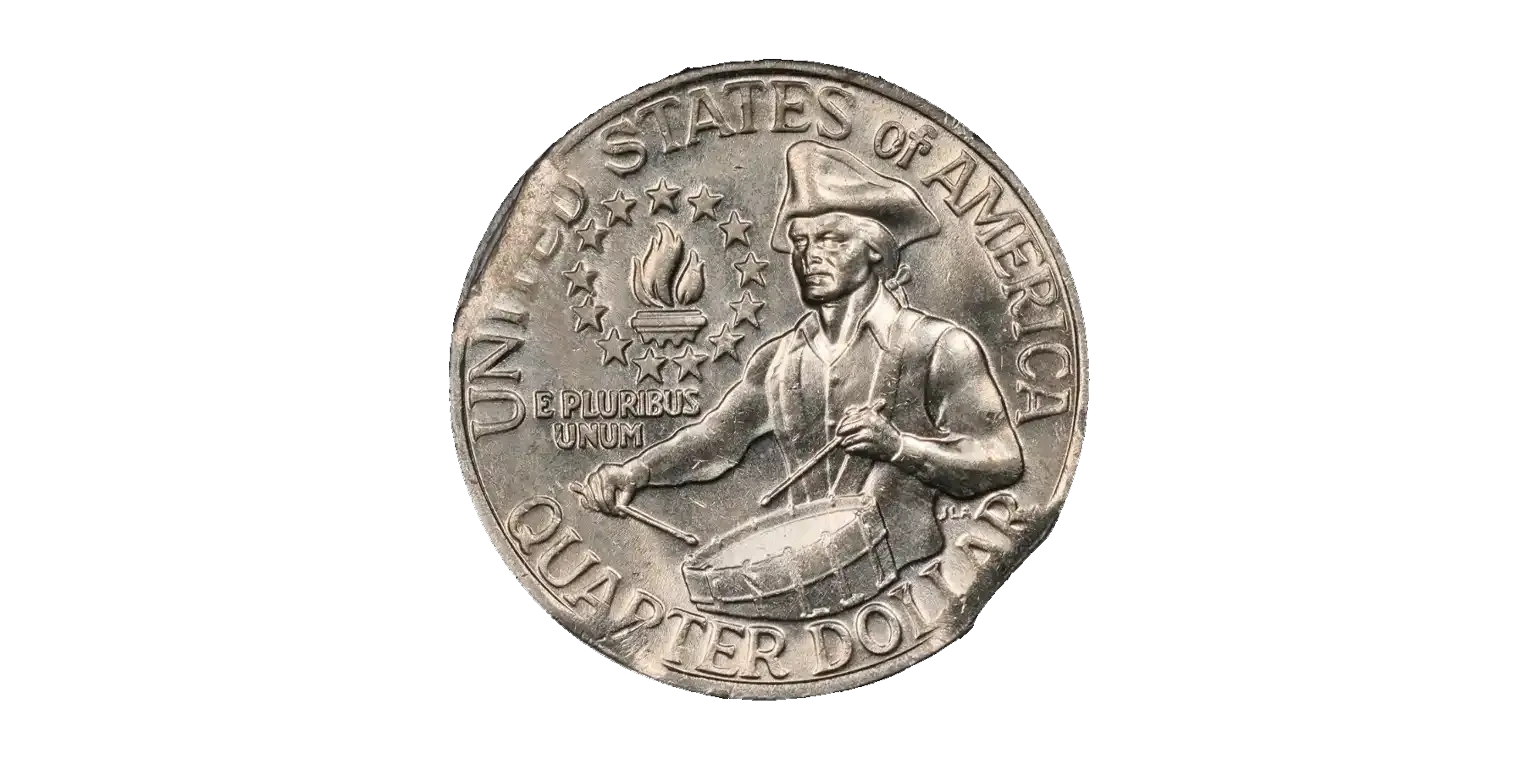
- Description: A clipped planchet error occurs when the metal blank used to create the coin is not properly round. This can lead to a noticeable crescent-shaped section missing from the coin.
- Estimated Value: $50 – $125+
- Rarity Level: Uncommon
- Die Breaks / Cuds
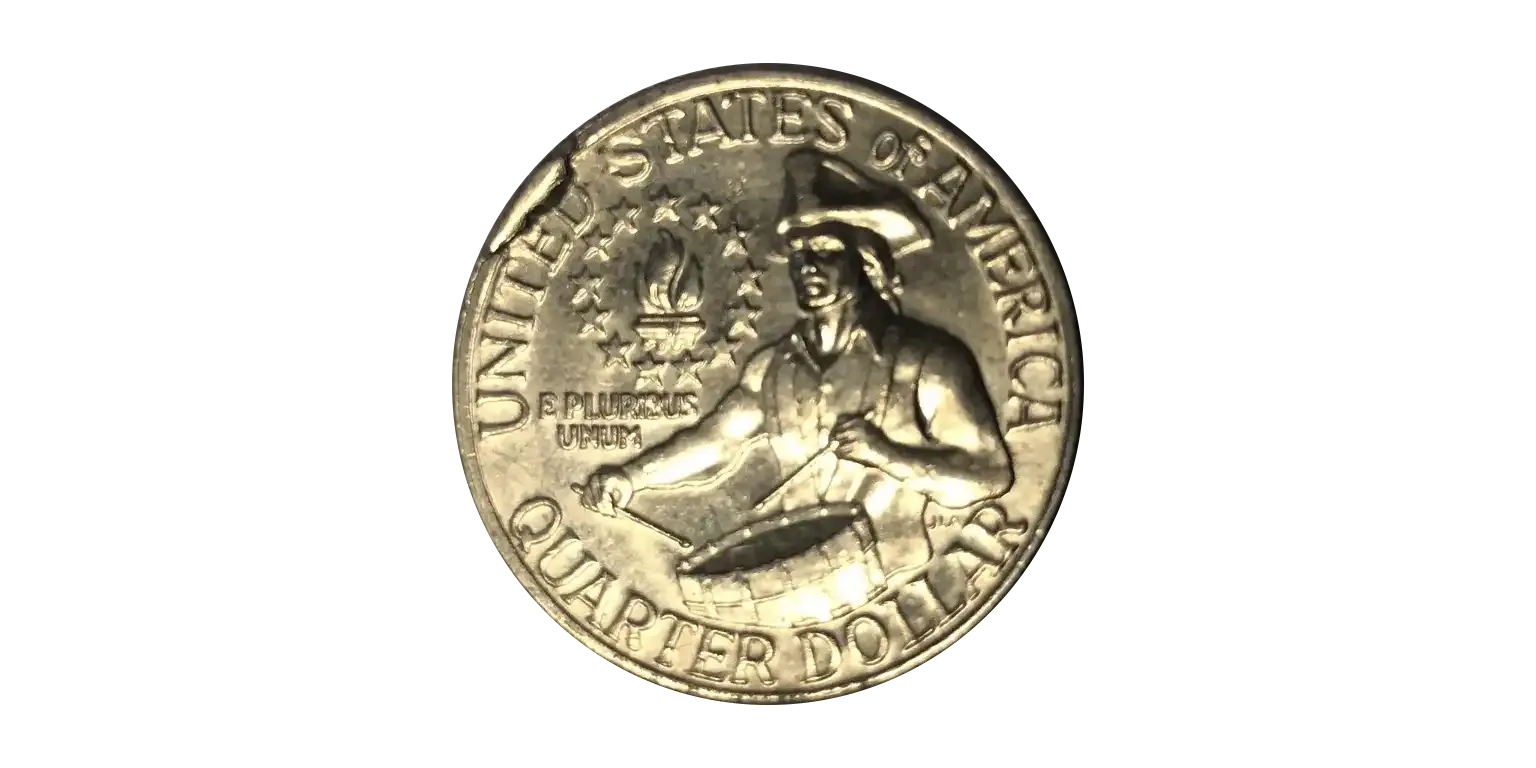
- Description: This happens when part of the die used to strike the coin cracks or breaks off, creating a raised, unstruck area on the coin’s surface.
- Estimated Value: $20 – $75
- Rarity Level: Common
- Off-Center Strike
- Description: This error results when the coin is struck outside the center, often missing part of the design. Off-center strikes can vary in degree, with more extreme examples being rarer.
- Estimated Value: $75 – $200+
- Rarity Level: Very Rare
Price Impact Summary
Minor Errors: Coins with small defects such as light die chips tend to see modest value increases, often enhancing the coin’s novelty rather than commanding high premiums.
Major Errors: More dramatic errors, such as double strikes or deep cuds, typically fetch higher prices due to their rarity and distinctiveness in appearance.
Condition Impact: High Mint State grades considerably amplify the value of error coins, with pristine examples always in higher demand.
Authentication: Provenance verified by reputable third-party services like PCGS or NGC almost always enhances the desirability and legitimacy of error coins, offering buyers assurance of value and authenticity.
Collectors of the 1976-S Bicentennial Silver Quarter should seek out these unique varieties and errors to add depth and rarity to their collections. Ensuring proper authentication remains a key step in acquiring such specimens, safeguarding both value and historical integrity.
Mint Marks & Mintage of the 1976-S Bicentennial Silver Quarter
The 1976-S Bicentennial Silver Quarter is a notable entry within the array of Bicentennial coins produced to celebrate the 200th anniversary of the United States’ independence. Struck with a special silver composition, these quarters are distinct from their clad counterparts.
Mint Mark Locations
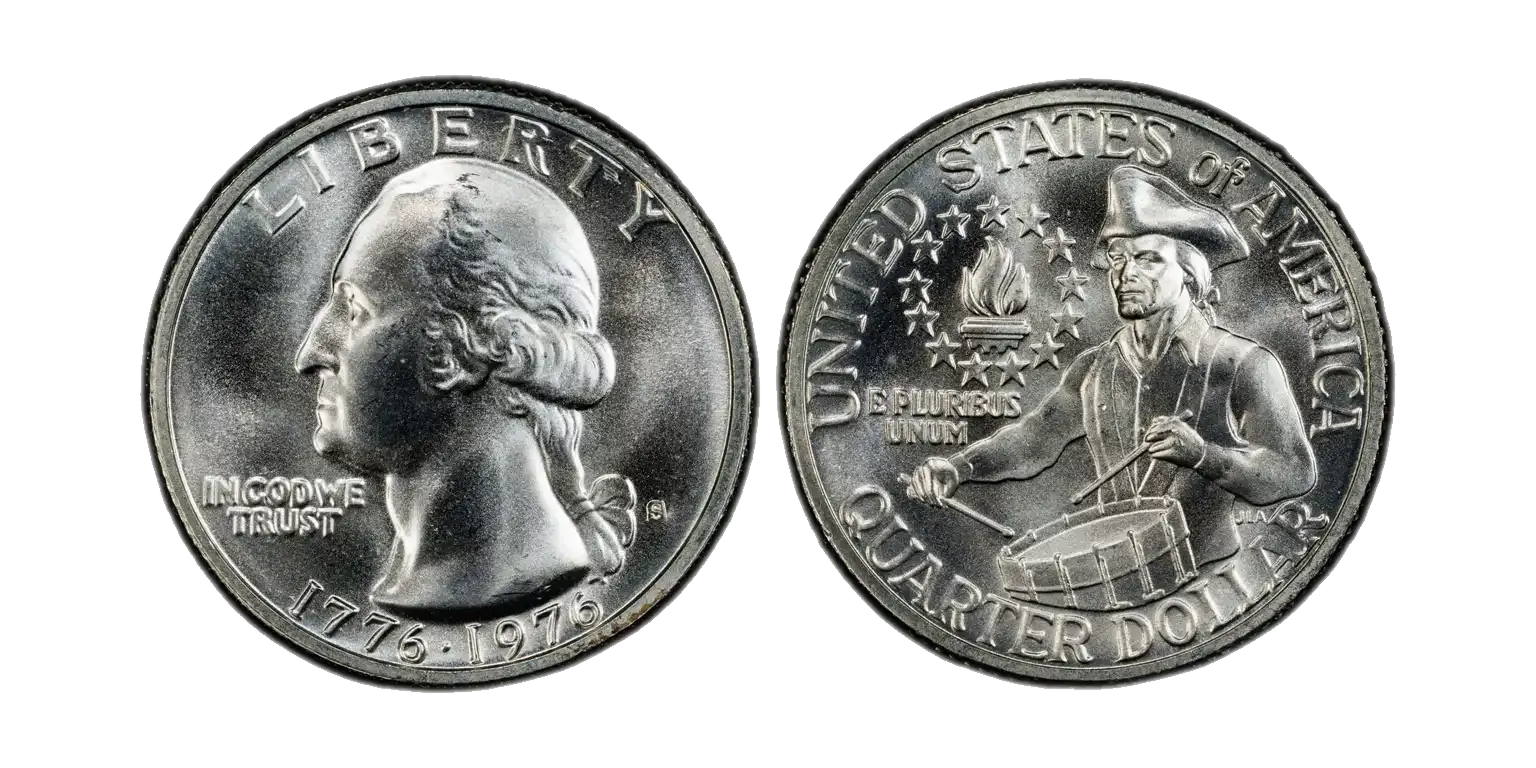
On the 1976-S Bicentennial Silver Quarter, the mint mark is located above and slightly to the right of the date “1776-1976” on the obverse side of the coin, which prominently features the portrait of George Washington. The “S” mint mark signifies that the coin was produced at the San Francisco Mint, which is known for its high-quality proof coinage.
Mintage and Scarcity
The 1976-S Silver Quarters were struck in limited quantities as part of a special three-piece silver proof set, which also included the half dollar and the dollar. This limited mintage has contributed to the coin’s desirability among collectors and its relative scarcity compared to the standard clad quarters released for circulation. Here’s a brief overview of their specific mintage noted:
| Year | Mint | Mintage |
|---|---|---|
| 1976-S | S | 11,000,000 |
The San Francisco Mint produced 11 million silver quarters as part of these collectible sets. Given the higher silver content and double date marking of “1776-1976,” these coins quickly became a collector favorite and are treasured for their artistic reverse design, featuring a Colonial drummer and a torch encircled by 13 stars.
In summary, the distinct mint mark, combined with the exclusive mintage of the 1976-S Bicentennial Silver Quarter, enhances its appeal and worth among numismatic enthusiasts. These attributes contribute to the coin’s historical significance and collectible status, making it a valued piece in any collection.
Who Is On The Quarter Facts and Trivia
Design Details
Obverse: The obverse of the 1976-S Bicentennial Silver Quarter features an image of George Washington, designed by John Flanagan. This classic depiction shows Washington in left-facing profile.
Reverse: The reverse design, crafted by Jack L. Ahr, commemorates the United States Bicentennial with a unique depiction of a colonial drummer boy, accompanied by a victory torch surrounded by 13 stars representing the original colonies.
Inscriptions:
- “LIBERTY”
- “IN GOD WE TRUST”
- “1976”
- “UNITED STATES OF AMERICA”
- “E PLURIBUS UNUM”
- “QUARTER DOLLAR”
Year: 1976
Release Information
Release Date: The coin was officially released in 1975 to prepare for the Bicentennial celebrations, and it was minted through 1976.
Series Context: Part of the American Bicentennial series, this quarter was specially struck to celebrate 200 years since the signing of the Declaration of Independence. It remains one of the few U.S. coins with a dual date (1776–1976) on its obverse.
Historical Significance: This special issue pays tribute to America’s 200th anniversary of independence, marking it as both a historical and cultural artifact that echoes the nation’s past.
Quick Facts
- The 1976-S Bicentennial Silver Quarter is made of 40% silver, distinguishing it from its clad counterparts, typically found in circulation.
- The drummer boy design was selected through a national contest conducted in 1973.
- Collectors often seek out proof versions of this quarter due to their high-quality strikes and mirror-like finishes.
- Despite its historical and cultural significance, the coin was also fully functional as legal tender during its issue period.
Collecting the 1976-S Bicentennial Silver Quarter
The 1976-S Bicentennial Silver Quarter is an appealing choice for numismatists due to its historical significance and unique design. For collectors interested in enhancing their collection with this bicentennial piece, here are some essential steps:
Understand the Minting Details: Familiarize yourself with the specifications of the 1976-S Bicentennial Silver Quarter. This quarter features a dual-date of 1776-1976, recognizing the United States’ 200th anniversary, and contains 40% silver.
Research Varieties and Mint Marks: Not all Bicentennial quarters are the same. The “S” mint mark signifies that these coins were struck in San Francisco. Understanding the different varieties, including clad versus silver compositions, enhances collecting appeal.
Assess Condition and Grade: Analyze the condition of the coin using the Sheldon Scale, which ranges from 1 (Poor) to 70 (Gem Mint State). Higher grades usually correspond to higher values, especially for uncirculated and proof coins.
Verify Authenticity: Ensure that any coin acquired is authentic. Obtaining certification from professional grading services like PCGS or NGC helps verify both the condition and authenticity of the coin.
Evaluate Current Market Values: Stay informed about the coin’s current market value ranges by consulting recent auction results or using coin valuation resources or apps. This can help determine if you’re acquiring the coin at a reasonable price.
Store and Protect Your Coins: Protect coins from damage by storing them in a cool, dry environment. Utilize proper holders or albums to prevent scratches, tarnishing, or other environmental damage.
Utilize Technology and Tools: Leverage technology to assist with your collection efforts. Use the Coin ID Scanner App on iOS or Android for real-time coin identification and valuation checking, offering a modern approach to traditional numismatics.
1976-S Bicentennial Silver Quarter FAQ
What is a 1976-S Bicentennial Silver Quarter?
The 1976-S Bicentennial Silver Quarter is a special commemorative quarter minted in honor of the United States Bicentennial. It features a unique reverse design of a colonial drummer and was struck in a 40% silver composition, unlike the typical clad coinage used for regular circulation.
How much silver is in a 1976-S Bicentennial Silver Quarter?
The 1976-S Bicentennial Silver Quarter contains 40% silver. This composition was specific to proof sets sold by the U.S. Mint during the Bicentennial anniversary, which featured this special quarter, among other coins.
What is the current value of a 1976-S Bicentennial Silver Quarter?
The value of a 1976-S Bicentennial Silver Quarter can vary based on its condition, whether it is part of a proof set, and the current silver market. As of now, values range from a few dollars for circulated examples to higher prices for highly graded or pristine coins.
Are there any known errors for the 1976-S Bicentennial Silver Quarter?
There are no major mint errors widely recognized for the 1976-S Bicentennial Silver Quarter. Collectors typically focus on the coin’s condition, silver content, and any unique toning it may have developed over time.
How can I distinguish a 1976-S Bicentennial Silver Quarter from a regular quarter?
You can distinguish a 1976-S Bicentennial Silver Quarter by its mintmark, found on the obverse, and its silver luster. It will also have a distinct reverse design featuring a colonial drummer, and the edge will not show the copper core typical of clad quarters.
Did the 1976-S Bicentennial Silver Quarter circulate?
The 1976-S Bicentennial Silver Quarter was primarily struck for collectors and was not intended for general circulation. Most were sold in proof and uncirculated sets, which were widely distributed through the U.S. Mint.
How does the price of silver affect the 1976-S Bicentennial Silver Quarter's value?
The intrinsic value of the 1976-S Bicentennial Silver Quarter is partially influenced by the price of silver. As silver market rates increase, the baseline collectible value of the coin may also rise, though numismatic interest often plays a larger role in its market price.
Where can I sell my 1976-S Bicentennial Silver Quarter?
You can sell your 1976-S Bicentennial Silver Quarter through various avenues, including coin dealers, online auction sites, and coin shows. Assessing its condition beforehand and comparing it to current market listings can help you achieve a fair price.
What design is featured on the reverse of the 1976-S Bicentennial Silver Quarter?
The reverse of the 1976-S Bicentennial Silver Quarter features a colonial drummer, a special motif chosen to commemorate the nation’s Bicentennial. This design replaced the usual eagle motif seen on other quarters.
How can I ensure my 1976-S Bicentennial Silver Quarter retains its value?
To maintain the value of your 1976-S Bicentennial Silver Quarter, handle it minimally and store it in a protective case or holder. Avoid cleaning the coin, as this can reduce its numismatic value, and keep it in a stable, climate-controlled environment to prevent damage.