
An In-Depth Look at the 1982 No Mint Mark Washington Quarter
Introduction
The 1982 No Mint Mark Washington Quarter remains a topic of interest among numismatists due to its unique features and historical context. This quarter, part of the long-standing Washington series, is distinguished by the absence of a mint mark, which can influence its collectible value.
| Specification | Details |
|---|---|
| Composition | 91.67% Copper, 8.33% Nickel |
| Diameter | 24.26 mm |
| Weight | 5.67 grams |
| Edge | Reeded |
In terms of mintage, the 1982 quarter marks a significant year with changes in the U.S. Mint’s practices, leading to a widespread absence of mint marks on Philadelphia-struck quarters. Despite the vast numbers produced, this facet adds a layer of intrigue for collectors.
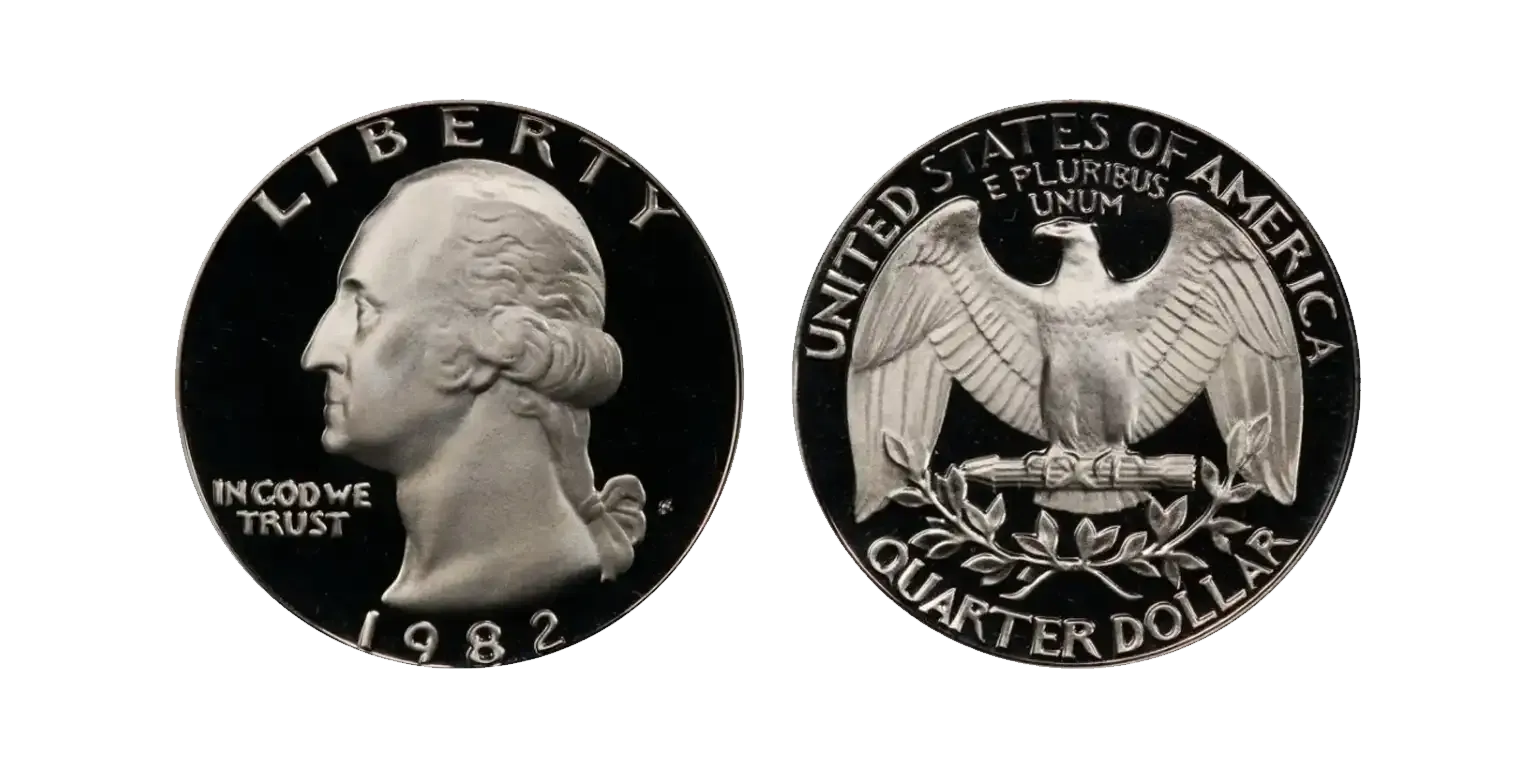
Who Is On The Quarter Value
The 1982 No Mint Mark Washington Quarter can vary significantly in value depending on its condition and presence of unique characteristics or errors. Collectors should understand these price estimates are approximate retail ranges and may fluctuate based on market demand, the coin’s condition, and auction results.
| Condition | Average Value (USD) |
|---|---|
| Circulated | $0.30 – $0.50 |
| Uncirculated (MS60–MS66) | $4 – $25 |
| High-Grade Uncirculated (MS67+) | $250 – $500 |
| Proof – Clad (proof mint) | Not applicable |
| Proof – Silver | Not applicable |
| Error Coins (e.g., die chips, doubling) | $10 – $1,000+ |
Factors That Influence the Value
Mint Mark and Mintage: Despite lacking a mint mark, the 1982 Washington Quarter was produced in large quantities, making its circulation issues generally common. However, its no mint mark characteristic can add collector interest.
Condition and Grade: Grading on the Sheldon Scale, which ranges from 1 to 70, corresponds to the coin’s physical state. Higher grades, especially above MS67, attract premium prices for this quarter.
Metal Composition: Unlike earlier Silver Washington Quarters, the 1982 version is composed of copper and nickel clad, influencing its intrinsic value.
Errors and Varieties: Verified mint errors, such as significant die errors or missing elements, can greatly increase the coin’s value, drawing additional interest from collectors.
Rarity and Errors of the 1982 No Mint Mark Washington Quarter
The 1982 No Mint Mark Washington Quarter is a peculiar find among collectors and numismatists, primarily due to its absence of a mint mark, which adds a layer of intrigue to its rarity and appeal. Production techniques and high-volume minting processes contribute to occasional errors, which can significantly increase a coin’s value. Here, we delve into some known errors and their impact on a coin’s market worth.
Known Errors
Die Clash
- Description: Occurs when the obverse and reverse dies strike together without a planchet in between, resulting in a visible indentation of the reverse design on the obverse, or vice versa.
- Estimated Value (USD): $50 – $150+
- Rarity Level: Uncommon
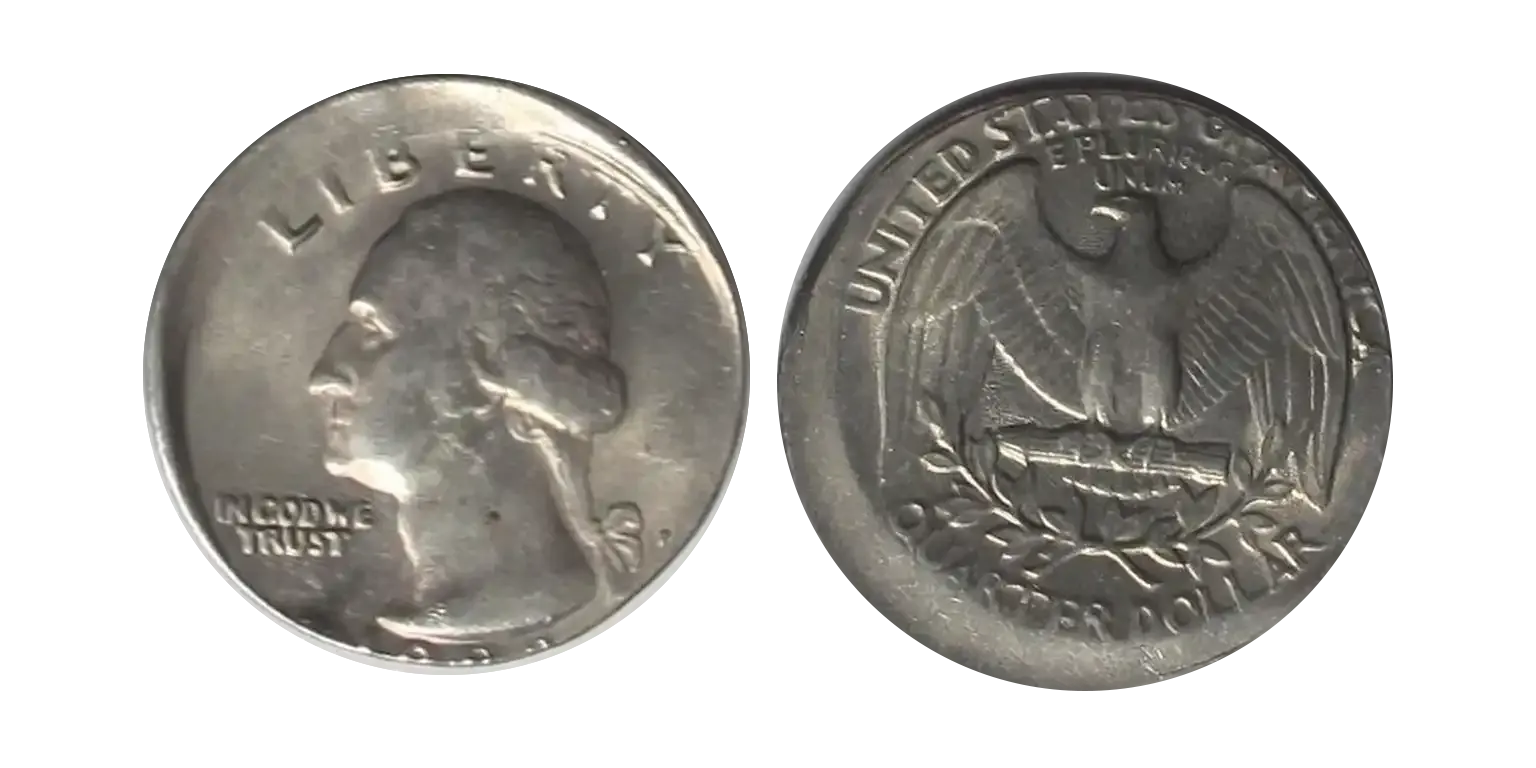
Off-Center Strikes
- Description: This error presents when the coin is not accurately aligned during the striking process, causing the design to appear off-center. Varying degrees of this error exist, some of which expose substantial blank metal.
- Estimated Value (USD): $10 – $250+, depending on the degree
- Rarity Level: Rare
- Double Die Obverse
- Description: Arises when the coin is struck by a die that has accidentally been impressed more than once, thereby creating a doubling effect visible to the naked eye, often on the coin’s text and features.
- Estimated Value (USD): $100 – $400+
- Rarity Level: Very Rare
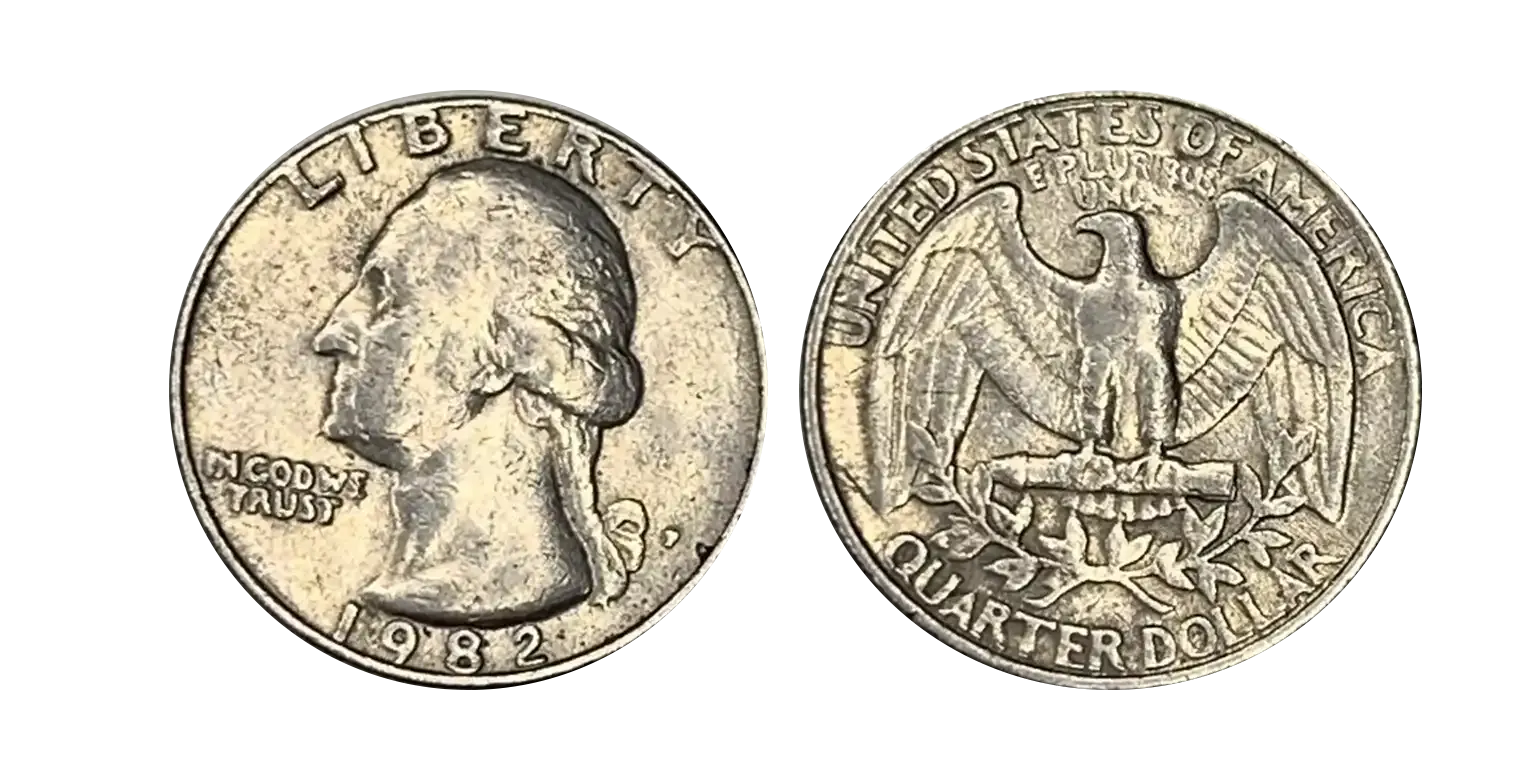
- Cud Error
- Description: This shows as a raised area on the coin due to a piece of the die breaking off, leading to missing elements and a disfigured portion, frequently along the rim of the coin.
- Estimated Value (USD): $20 – $150+
- Rarity Level: Uncommon
Price Impact Summary
Minor Errors: Small imperfections such as light die chips might modestly elevate a coin’s value, with collectors willing to pay premiums for distinct and unusual items.
Major Errors: Major defects like dramatic off-center strikes drive significant premiums, especially when they result in unique and visibly striking coin variations.
Condition Impact: Coins with high Mint State grades are highly sought after and can command a significant price increase, especially if the error is dramatic or visually distinctive.
Authentication: Certification from trusted third-party graders such as PCGS or NGC can reliably confirm an error’s authenticity. This adds a layer of assurance that can substantially increase a coin’s market attractiveness and value.
Collectors and enthusiasts often relish the hunt for 1982 No Mint Mark Washington Quarters with errors, as these coins offer fascinating insights into minting anomalies while potentially adding substantial value to a collection.
Mint Marks & Mintage
The 1982 Washington Quarter is notable for the absence of a mint mark on coins produced outside of the usual mint locations in Denver and San Francisco. The decision to exclude the mint mark from coins struck in Philadelphia during this period has intrigued both collectors and historians.
Mint Mark Locations
Typically, the Washington Quarter features its mint mark on the obverse side, just beneath the point of the right wing of the eagle. However, the 1982 quarters from the Philadelphia Mint do not bear a mint mark, making them distinguishable from other quarters minted that year.
Mintage Numbers
For the 1982 Washington Quarters, the mintage numbers are as follows: Philadelphia produced a substantial quantity, yet the exact figures are not commonly published in a collectible-friendly format. Thus, collectors often seek reliable historical mint reports or use professional coin databases to obtain accurate numbers.
Scarcity and Collectability
The absence of a mint mark signifies a particular series run and influences the coin’s collectability. While the 1982 quarters are relatively common in circulation, specimens in higher grades, such as those with minimal wear, remain sought after among enthusiasts. This relative scarcity adds to their allure, especially for those focusing on assembling a comprehensive set of mint variations.
For deeper insights into the value and rarity of different 1982 varieties, you can refer to our Rarity and Errors of the Who Is On The Quarter section.
Who Is On The Quarter Facts and Trivia
Design Details
- Obverse: The obverse of the 1982 No Mint Mark Washington Quarter features a profile portrait of President George Washington facing left. His hair is tied back, lending a dignified, classical appearance.
- Reverse: The reverse displays a majestic bald eagle with outstretched wings. The eagle holds a bundle of arrows and an olive branch.
- Inscriptions: “LIBERTY”, “IN GOD WE TRUST”, “QUARTER DOLLAR”, “UNITED STATES OF AMERICA”
- Year: 1982
Release Information
- Release Date: 1982
- Series Context: As part of the Washington Quarter series, the 1982 edition continued the tradition of celebrating the first President of the United States. This coin marked a shift from traditional silver compositions to a more economical, durable copper-nickel clad.
- Historical Significance: Significantly, the 1982 coin lacked a mint mark, commonly due to changes in production to streamline costs and processes during a recession period.
Quick Facts
- The absence of a mint mark on the 1982 quarter was not an error but rather a deliberate change due to economic constraints.
- Designer John Flanagan modeled the obverse portrait directly from a sculpture of George Washington by French artist Jean-Antoine Houdon.
- The Washington Quarter series was first introduced in 1932, in commemoration of the 200th anniversary of George Washington’s birth.
Collecting the 1982 No Mint Mark Washington Quarter
Collecting the 1982 No Mint Mark Washington Quarter can be both a rewarding and educational journey for coin enthusiasts. Here are some steps to guide you in assembling a valued collection:
Identify the Coin: The 1982 Washington Quarter is unique for lacking a mint mark, which typically indicates that the coin was minted in Philadelphia. Use resources like the Coin ID Scanner App on iOS or Android to verify and authenticate your finds.
Understand Coin Grading: Familiarize yourself with the Sheldon scale, which rates coins from 1 to 70. Higher grades indicate better condition and can increase the coin’s value. Knowing the grade can help in making informed buying or selling decisions.
Research Market Trends: Keeping up with current market conditions is crucial. Coin values fluctuate based on demand, collector interest, and the general economy. Regularly consult price guides and online auctions to stay informed.
Seek Professional Appraisals: When possible, have your coins professionally appraised, especially if they are high-grade or have unique errors. Certifications from trusted grading services can authenticate the coin’s condition and increase its market value.
Protect Your Collection: Store your coins in a controlled environment, away from moisture and extreme temperatures, to preserve their condition. Use coin holders or albums that prevent physical damage and oxidization.
Join Coin Communities: Engage with local and online numismatic groups to share insights, learn from experienced collectors, and stay updated on coin shows and exhibitions. Being part of a community can also provide opportunities to trade or purchase coins.
Document Your Collection: Keep detailed records of your collection, including purchase details, grading certificates, and any special notes. Documentation can be useful in estate planning or if you decide to sell your collection in the future.
Exploring the realm of the 1982 No Mint Mark Washington Quarter not only expands your numismatic knowledge but also enriches your appreciation for American coin history.
1982 No Mint Mark Washington Quarter FAQ
What does it mean if there is no mint mark on a 1982 Washington Quarter?
A 1982 Washington Quarter without a mint mark was typically minted in Philadelphia, as this mint did not use a mark on coins until 1983. It’s a common characteristic of coins from that period.
How can I determine the value of a 1982 No Mint Mark Washington Quarter?
The value of a 1982 No Mint Mark Washington Quarter depends on its condition, or grade, and any unique characteristics or errors. Consulting a coin value guide or seeking a professional appraisal can provide accurate information.
Are there any valuable error varieties for the 1982 Washington Quarter?
While errors can increase a coin’s value, common 1982 Washington Quarter errors include off-center strikes and planchet flaws. However, not all errors are valuable, and they should be authenticated by a professional.
Why is the 1982 Washington Quarter with no mint mark considered collectible?
Collectors often seek 1982 quarters due to their unique place in numismatic history, marking one of the years when the Philadelphia Mint didn’t mark quarters with a mint symbol. Their collectibility depends on condition, rarity, and individual collector interest.
How does the condition affect the worth of a 1982 Washington Quarter with no mint mark?
Condition is critical in determining the coin’s worth. Coins in better condition, such as uncirculated or mint state, usually command higher prices in the collectors’ market compared to those in circulated, worn condition.
Can I find a 1982 No Mint Mark Washington Quarter in circulation today?
Yes, it is still possible to find 1982 No Mint Mark Washington Quarters in circulation, though they are becoming less common as collectors acquire them. Searching rolls or banks that haven’t been picked through might yield results.
What should I consider when buying a 1982 No Mint Mark Washington Quarter online?
When purchasing online, consider the seller’s reputation, authenticity guarantees, and whether the coin has been professionally graded. Reviewing buyer feedback and consulting grading services like PCGS can help ensure a wise investment.
How does rarity influence the price of a 1982 No Mint Mark Washington Quarter?
Rarity significantly affects a coin’s price: scarcity, combined with demand, tends to increase value. Although widely produced, finding quarters in excellent condition or with unique features can increase their value in the numismatic community.